DCC Now · Current Affairs · September 27, 2026
Who Really Pays for the Tariffs? Not What the Politicians Say
Both governments say the other side pays. Customs law bills domestic importers. In Canada, GST is then charged on the tariff-inflated value.
Delta, BC — September 27, 2026
A DCC Now explainer on the Canada–U.S. tariff dispute and who actually writes the cheque.
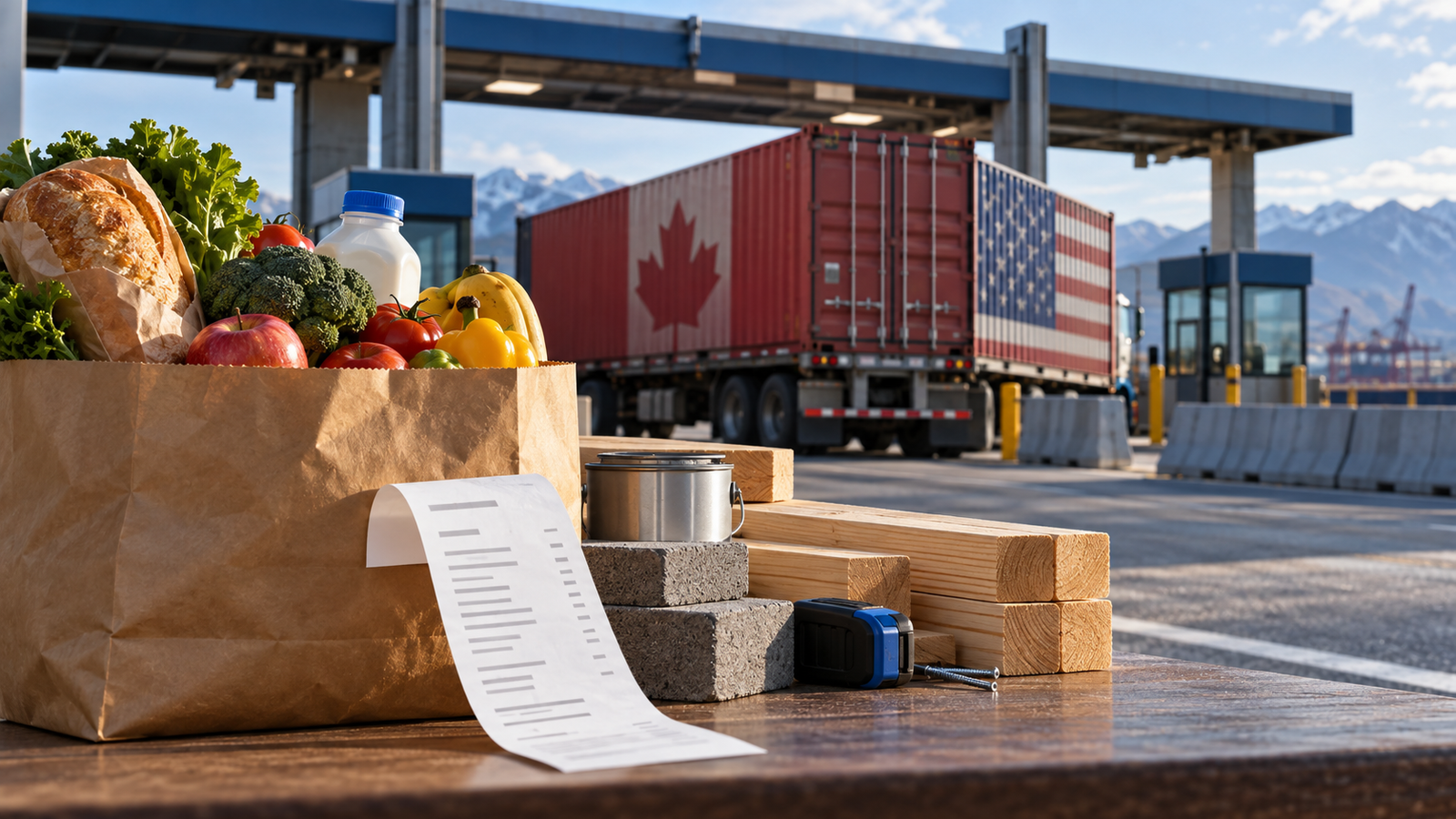
Both governments frame tariffs as making the other country pay. The money is collected from their own importers at the border, and much of it can be passed on to their own buyers. In Canada, there is a second federal take: GST on the tariff-inclusive value.
The U.S. side: a tax collected from American importers
The U.S. importer pays the tariff at the border, rather than the foreign government or exporter. Importers may pass some or all of the cost through in prices.
- The Richmond Fed reported about $287 billion in U.S. customs duties, taxes and fees for calendar 2025, up 192% from 2024. A duties-only or fiscal-year series will show a different total.
- CBO and Federal Reserve estimates cited for this debate suggest most of the economic cost fell on Americans; the exact share varies by method and period.
- Household estimates differ too: about $840 for 2026 from the Tax Foundation and about $1,100 under Yale Budget Lab’s current-law scenario. These are model estimates, not receipts.
Tariff receipts go to the U.S. Treasury, not to the Federal Reserve.
The Canadian side: the same border mechanism
A Canadian importer pays a Canadian surtax to CBSA. The cost may be passed along in the landed price, but the extent of pass-through is not fixed.
- Bank of Canada research on an earlier retaliatory episode found prices of targeted goods rose about 6%, around a quarter of a 25% tariff.
- Desjardins estimated a later counter-tariff round could yield about $7 billion a year.
- Finance Canada reported $10.24 billion in customs import duties for fiscal 2025–26, versus $6.21 billion a year earlier. For April–June 2026, it reported $2.41 billion, versus $3.57 billion a year earlier.
- Canada imposed a new round on September 8, 2026, covering $27.6 billion in U.S. imports. The $27.6 billion is the value of goods covered, not tariff revenue.
A projection of potential tariff receipts should not be confused with audited collections. A government pledge to spend receipts on affected workers and businesses is a separate issue from who pays at customs.
What each country has collected
Collections change as tariff rules, refunds, and trade volumes change. The Richmond Fed’s calendar-2025 U.S. figure includes duties, taxes and fees; it should not be compared as if it were the same accounting series as Canada’s customs import duties. The cited PIIE tracker reported $269.2 billion gross U.S. receipts through July of fiscal 2026, $114.7 billion refunded, and $154.5 billion net.
The easy-to-miss part: GST is calculated on the tariff too
Canada’s GST on imported goods is calculated on a value that includes applicable customs duties and surtaxes. For a taxable item valued at $100 with a $25 surtax and no other duties or taxes, the 5% GST is $6.25 rather than $5.00. CBSA’s September 2026 notice expressly says the value for tax includes the surtax.
- The importer pays the surtax and import GST at the border.
- An eligible GST-registered importer can generally claim an input tax credit for import GST used in its commercial activity. The surtax is a cost and has no comparable GST input tax credit.
- On a later taxable domestic sale, the seller charges GST on its sale price and accounts for input credits. GST is not a separate permanent tax piled up at every resale stage.
- The final consumer generally cannot claim an input tax credit and may pay GST on a retail price affected by the tariff.
Some goods are zero-rated or exempt, and prices do not always rise by the full tariff. The formula and the actual price effect are separate questions.
Why it matters in Delta
Political framing — “we’re making them pay” — does not match customs law in either country. Domestic import companies write the cheque. Domestic buyers pay at the till. In Canada, including in Delta grocery aisles and building-supply yards, GST is calculated on the tariff-included price.
None of this requires a conspiracy. The valuation formula is public. Government economists have written about pass-through for years. It is not the story usually told.
DCC Now · ਮੌਜੂਦਾ ਮਾਮਲੇ · 27 ਸਤੰਬਰ 2026
ਟੈਰਿਫ਼ਾਂ ਦਾ ਖ਼ਰਚਾ ਅਸਲ ਵਿੱਚ ਕੌਣ ਭਰਦਾ ਹੈ?
ਦੋਵੇਂ ਸਰਕਾਰਾਂ ਕਹਿੰਦੀਆਂ ਹਨ ਕਿ ਦੂਜਾ ਦੇਸ਼ ਭੁਗਤਾਨ ਕਰਦਾ ਹੈ। ਪਰ ਸਰਹੱਦ ਉੱਤੇ ਬਿੱਲ ਆਪਣੇ ਦੇਸ਼ ਦੇ ਆਯਾਤਕ ਨੂੰ ਆਉਂਦਾ ਹੈ। ਕੈਨੇਡਾ ਵਿੱਚ GST ਦੀ ਗਿਣਤੀ ਟੈਰਿਫ਼ ਸਮੇਤ ਮੁੱਲ ਉੱਤੇ ਹੁੰਦੀ ਹੈ।
ਡੈਲਟਾ, ਬੀ.ਸੀ. — 27 ਸਤੰਬਰ 2026
ਇਹ DCC Now ਵੱਲੋਂ ਕੈਨੇਡਾ–ਅਮਰੀਕਾ ਟੈਰਿਫ਼ ਵਿਵਾਦ ਅਤੇ ਇਸ ਦਾ ਖ਼ਰਚਾ ਕੌਣ ਭਰਦਾ ਹੈ, ਇਸ ਬਾਰੇ ਵਿਆਖਿਆ ਹੈ।
ਦੋਵੇਂ ਸਰਕਾਰਾਂ ਟੈਰਿਫ਼ ਨੂੰ ਇਸ ਤਰ੍ਹਾਂ ਪੇਸ਼ ਕਰਦੀਆਂ ਹਨ ਜਿਵੇਂ ਦੂਜਾ ਦੇਸ਼ ਭੁਗਤਾਨ ਕਰਦਾ ਹੋਵੇ। ਪੈਸਾ ਆਪਣੇ ਦੇਸ਼ ਦੇ ਆਯਾਤਕਾਂ ਤੋਂ ਸਰਹੱਦ ਉੱਤੇ ਵਸੂਲਿਆ ਜਾਂਦਾ ਹੈ, ਅਤੇ ਇਸ ਦਾ ਵੱਡਾ ਹਿੱਸਾ ਆਪਣੇ ਖਰੀਦਦਾਰਾਂ ਤੱਕ ਪਹੁੰਚ ਸਕਦਾ ਹੈ। ਕੈਨੇਡਾ ਵਿੱਚ ਦੂਜੀ ਫੈਡਰਲ ਵਸੂਲੀ ਵੀ ਹੈ: ਟੈਰਿਫ਼ ਸਮੇਤ ਮੁੱਲ ਉੱਤੇ GST।
ਅਮਰੀਕੀ ਪਾਸਾ: ਅਮਰੀਕੀ ਆਯਾਤਕ ਤੋਂ ਵਸੂਲੀ
ਅਮਰੀਕਾ ਵਿੱਚ ਟੈਰਿਫ਼ ਸਰਹੱਦ ਉੱਤੇ ਅਮਰੀਕੀ ਆਯਾਤਕ ਭਰਦਾ ਹੈ, ਵਿਦੇਸ਼ੀ ਸਰਕਾਰ ਜਾਂ ਨਿਰਯਾਤਕ ਨਹੀਂ। ਆਯਾਤਕ ਇਸ ਦਾ ਕੁਝ ਜਾਂ ਸਾਰਾ ਖ਼ਰਚਾ ਕੀਮਤਾਂ ਵਿੱਚ ਜੋੜ ਸਕਦਾ ਹੈ।
- ਰਿਚਮੰਡ ਫੈਡਰਲ ਰਿਜ਼ਰਵ ਬੈਂਕ ਮੁਤਾਬਕ 2025 ਦੇ ਕੈਲੰਡਰ ਸਾਲ ਵਿੱਚ ਅਮਰੀਕਾ ਨੇ ਕਸਟਮ ਡਿਊਟੀਆਂ, ਟੈਕਸਾਂ ਅਤੇ ਫ਼ੀਸਾਂ ਰਾਹੀਂ ਲਗਭਗ $287 ਬਿਲੀਅਨ ਇਕੱਠੇ ਕੀਤੇ, ਜੋ 2024 ਤੋਂ 192% ਵੱਧ ਸੀ। ਸਿਰਫ਼ ਡਿਊਟੀ ਜਾਂ ਵਿੱਤੀ ਸਾਲ ਦੇ ਅੰਕ ਵੱਖ ਹੋਣਗੇ।
- ਇਸ ਵਿਵਾਦ ਵਿੱਚ ਦਿੱਤੇ CBO ਅਤੇ ਫੈਡਰਲ ਰਿਜ਼ਰਵ ਦੇ ਅਨੁਮਾਨਾਂ ਅਨੁਸਾਰ ਆਰਥਿਕ ਖ਼ਰਚੇ ਦਾ ਵੱਡਾ ਹਿੱਸਾ ਅਮਰੀਕੀਆਂ ਉੱਤੇ ਪਿਆ; ਸਹੀ ਹਿੱਸਾ ਢੰਗ ਅਤੇ ਸਮੇਂ ਅਨੁਸਾਰ ਬਦਲਦਾ ਹੈ।
- ਘਰਾਂ ਲਈ ਅਨੁਮਾਨ ਵੀ ਵੱਖ ਹਨ: Tax Foundation ਨੇ 2026 ਲਈ ਲਗਭਗ $840 ਅਤੇ Yale Budget Lab ਨੇ ਮੌਜੂਦਾ ਕਾਨੂੰਨ ਅਧੀਨ ਲਗਭਗ $1,100 ਅਨੁਮਾਨਿਆ। ਇਹ ਮਾਡਲਾਂ ਦੇ ਅੰਕ ਹਨ, ਅਸਲ ਰਸੀਦਾਂ ਨਹੀਂ।
ਟੈਰਿਫ਼ ਦੀ ਰਕਮ ਅਮਰੀਕੀ ਖ਼ਜ਼ਾਨੇ ਵਿੱਚ ਜਾਂਦੀ ਹੈ, ਫੈਡਰਲ ਰਿਜ਼ਰਵ ਕੋਲ ਨਹੀਂ।
ਕੈਨੇਡਾ: ਸਰਹੱਦ ਉੱਤੇ ਇਹੋ ਜਿਹਾ ਤਰੀਕਾ
ਕੈਨੇਡੀਅਨ ਆਯਾਤਕ ਕੈਨੇਡਾ ਦਾ ਵਾਧੂ ਟੈਰਿਫ਼ CBSA ਨੂੰ ਭਰਦਾ ਹੈ। ਇਹ ਖ਼ਰਚਾ ਅੱਗੇ ਕੀਮਤ ਵਿੱਚ ਜੋੜਿਆ ਜਾ ਸਕਦਾ ਹੈ, ਪਰ ਕਿੰਨਾ ਜੋੜਿਆ ਜਾਵੇਗਾ ਇਹ ਪੱਕਾ ਨਹੀਂ।
- ਪਿਛਲੇ ਜਵਾਬੀ ਟੈਰਿਫ਼ਾਂ ਬਾਰੇ Bank of Canada ਦੀ ਖੋਜ ਵਿੱਚ ਨਿਸ਼ਾਨਾ ਬਣੀਆਂ ਵਸਤਾਂ ਦੀਆਂ ਕੀਮਤਾਂ ਲਗਭਗ 6% ਵਧੀਆਂ; 25% ਟੈਰਿਫ਼ ਦਾ ਤਕਰੀਬਨ ਚੌਥਾ ਹਿੱਸਾ ਖਪਤਕਾਰਾਂ ਤੱਕ ਪਹੁੰਚਿਆ।
- Desjardins ਨੇ ਅਗਲੇ ਦੌਰ ਤੋਂ ਲਗਭਗ $7 ਬਿਲੀਅਨ ਸਾਲਾਨਾ ਆਮਦਨ ਦਾ ਅਨੁਮਾਨ ਦਿੱਤਾ।
- Finance Canada ਅਨੁਸਾਰ 2025–26 ਦੇ ਵਿੱਤੀ ਸਾਲ ਵਿੱਚ ਕਸਟਮ ਆਯਾਤ ਡਿਊਟੀ $10.24 ਬਿਲੀਅਨ ਸੀ, ਪਿਛਲੇ ਸਾਲ $6.21 ਬਿਲੀਅਨ। ਅਪ੍ਰੈਲ–ਜੂਨ 2026 ਵਿੱਚ $2.41 ਬਿਲੀਅਨ ਸੀ, ਪਿਛਲੇ ਸਾਲ ਇਸੇ ਮਿਆਦ ਵਿੱਚ $3.57 ਬਿਲੀਅਨ।
- 8 ਸਤੰਬਰ 2026 ਨੂੰ ਕੈਨੇਡਾ ਨੇ $27.6 ਬਿਲੀਅਨ ਮੁੱਲ ਦੇ ਅਮਰੀਕੀ ਆਯਾਤ ਨੂੰ ਕਵਰ ਕਰਨ ਵਾਲੇ ਨਵੇਂ ਟੈਰਿਫ਼ ਲਾਗੂ ਕੀਤੇ। $27.6 ਬਿਲੀਅਨ ਵਸਤਾਂ ਦਾ ਮੁੱਲ ਹੈ, ਵਸੂਲਿਆ ਟੈਰਿਫ਼ ਨਹੀਂ।
ਸੰਭਾਵੀ ਟੈਰਿਫ਼ ਆਮਦਨ ਦੇ ਅਨੁਮਾਨ ਨੂੰ ਆਡਿਟ ਕੀਤੀ ਅਸਲ ਵਸੂਲੀ ਨਾ ਸਮਝਿਆ ਜਾਵੇ। ਮਜ਼ਦੂਰਾਂ ਅਤੇ ਕਾਰੋਬਾਰਾਂ ਉੱਤੇ ਇਹ ਪੈਸਾ ਖ਼ਰਚਣ ਦਾ ਸਰਕਾਰੀ ਵਾਅਦਾ, ਸਰਹੱਦ ਉੱਤੇ ਭੁਗਤਾਨ ਕੌਣ ਕਰਦਾ ਹੈ, ਇਸ ਤੋਂ ਵੱਖ ਸਵਾਲ ਹੈ।
ਦੋਵੇਂ ਦੇਸ਼ਾਂ ਨੇ ਕਿੰਨਾ ਇਕੱਠਾ ਕੀਤਾ?
ਟੈਰਿਫ਼ ਦੇ ਨਿਯਮ, ਰਿਫੰਡ ਅਤੇ ਵਪਾਰ ਦੀ ਮਾਤਰਾ ਬਦਲਣ ਨਾਲ ਵਸੂਲੀ ਵੀ ਬਦਲਦੀ ਹੈ। ਅਮਰੀਕਾ ਦਾ ਰਿਚਮੰਡ ਫੈਡ ਦਾ 2025 ਵਾਲਾ ਅੰਕ ਡਿਊਟੀਆਂ, ਟੈਕਸਾਂ ਅਤੇ ਫ਼ੀਸਾਂ ਨੂੰ ਮਿਲਾ ਕੇ ਹੈ; ਇਸ ਨੂੰ ਕੈਨੇਡਾ ਦੀ ਕੇਵਲ ਕਸਟਮ ਆਯਾਤ ਡਿਊਟੀ ਨਾਲ ਇੱਕੋ ਜਿਹੇ ਅੰਕ ਵਾਂਗ ਨਹੀਂ ਤੋਲਣਾ ਚਾਹੀਦਾ। ਲੇਖ ਵਿੱਚ ਦਿੱਤੇ PIIE ਟਰੈਕਰ ਮੁਤਾਬਕ ਅਮਰੀਕਾ ਦੇ 2026 ਵਿੱਤੀ ਸਾਲ ਵਿੱਚ ਜੁਲਾਈ ਤੱਕ $269.2 ਬਿਲੀਅਨ ਕੁੱਲ, $114.7 ਬਿਲੀਅਨ ਰਿਫੰਡ ਅਤੇ $154.5 ਬਿਲੀਅਨ ਸ਼ੁੱਧ ਵਸੂਲੀ ਸੀ।
ਅਹਿਮ ਗੱਲ: GST ਦੀ ਗਿਣਤੀ ਟੈਰਿਫ਼ ਉੱਤੇ ਵੀ ਹੁੰਦੀ ਹੈ
ਕੈਨੇਡਾ ਵਿੱਚ ਆਯਾਤ ਵਸਤੂ ਉੱਤੇ GST ਲਈ ਵਰਤੇ ਮੁੱਲ ਵਿੱਚ ਲਾਗੂ ਕਸਟਮ ਡਿਊਟੀ ਅਤੇ ਵਾਧੂ ਟੈਰਿਫ਼ ਸ਼ਾਮਲ ਹੁੰਦੇ ਹਨ। ਮਿਸਾਲ ਵਜੋਂ, $100 ਦੀ ਟੈਕਸਯੋਗ ਵਸਤੂ ਉੱਤੇ $25 ਟੈਰਿਫ਼ ਹੋਵੇ ਅਤੇ ਹੋਰ ਕੋਈ ਡਿਊਟੀ ਜਾਂ ਟੈਕਸ ਨਾ ਹੋਵੇ, ਤਾਂ 5% GST $5 ਦੀ ਥਾਂ $6.25 ਬਣਦਾ ਹੈ। ਸਤੰਬਰ 2026 ਦੇ CBSA ਨੋਟਿਸ ਵਿੱਚ ਵੀ ਟੈਕਸ ਵਾਲੇ ਮੁੱਲ ਵਿੱਚ ਟੈਰਿਫ਼ ਸ਼ਾਮਲ ਹੋਣ ਦੀ ਪੁਸ਼ਟੀ ਹੈ।
- ਆਯਾਤਕ ਸਰਹੱਦ ਉੱਤੇ ਟੈਰਿਫ਼ ਅਤੇ ਆਯਾਤ GST ਭਰਦਾ ਹੈ।
- ਯੋਗ GST-ਰਜਿਸਟਰਡ ਕਾਰੋਬਾਰ ਵਪਾਰਕ ਵਰਤੋਂ ਲਈ ਭਰੇ GST ਦਾ ਆਮ ਤੌਰ ਉੱਤੇ input tax credit ਲੈ ਸਕਦਾ ਹੈ। ਟੈਰਿਫ਼ ਲਈ ਅਜਿਹਾ GST ਕ੍ਰੈਡਿਟ ਨਹੀਂ ਹੁੰਦਾ।
- ਦੇਸ਼ ਦੇ ਅੰਦਰ ਅਗਲੀ ਟੈਕਸਯੋਗ ਵਿਕਰੀ ਉੱਤੇ ਵਿਕਰੇਤਾ ਆਪਣੀ ਵਿਕਰੀ ਕੀਮਤ ਉੱਤੇ GST ਲਾਉਂਦਾ ਅਤੇ ਮਿਲਣ ਵਾਲੇ input credits ਦਾ ਹਿਸਾਬ ਕਰਦਾ ਹੈ। GST ਹਰ ਪੜਾਅ ਉੱਤੇ ਵੱਖਰੇ ਸਥਾਈ ਟੈਕਸ ਵਾਂਗ ਇਕੱਠਾ ਨਹੀਂ ਹੁੰਦਾ।
- ਆਖ਼ਰੀ ਖਪਤਕਾਰ ਆਮ ਤੌਰ ਉੱਤੇ input tax credit ਨਹੀਂ ਲੈ ਸਕਦਾ ਅਤੇ ਟੈਰਿਫ਼ ਕਾਰਨ ਵਧੀ ਹੋਈ ਕੀਮਤ ਉੱਤੇ GST ਭਰ ਸਕਦਾ ਹੈ।
ਕੁਝ ਵਸਤਾਂ ਉੱਤੇ GST ਸਿਫ਼ਰ ਦਰ ਨਾਲ ਲੱਗਦਾ ਹੈ ਜਾਂ ਛੋਟ ਹੁੰਦੀ ਹੈ। ਕੀਮਤ ਵੀ ਹਰ ਵਾਰ ਪੂਰੇ ਟੈਰਿਫ਼ ਦੇ ਬਰਾਬਰ ਨਹੀਂ ਵਧਦੀ। ਟੈਕਸ ਦਾ ਨਿਯਮ ਅਤੇ ਅਸਲ ਕੀਮਤੀ ਅਸਰ ਦੋ ਵੱਖ ਸਵਾਲ ਹਨ।
ਡੈਲਟਾ ਲਈ ਇਹ ਕਿਉਂ ਮਹੱਤਵ ਰੱਖਦਾ ਹੈ?
“ਅਸੀਂ ਉਨ੍ਹਾਂ ਤੋਂ ਪੈਸੇ ਲੈ ਰਹੇ ਹਾਂ” ਟੈਰਿਫ਼ਾਂ ਦੀ ਅਧੂਰੀ ਵਿਆਖਿਆ ਹੈ। ਆਯਾਤ ਕਰਨ ਵਾਲੇ ਕਾਰੋਬਾਰ ਨੂੰ ਆਪਣੇ ਦੇਸ਼ ਵਿੱਚ ਕਾਨੂੰਨੀ ਬਿੱਲ ਆਉਂਦਾ ਹੈ; ਆਰਥਿਕ ਖ਼ਰਚੇ ਦਾ ਕੁਝ ਹਿੱਸਾ ਗਾਹਕਾਂ ਤੱਕ ਪਹੁੰਚ ਸਕਦਾ ਹੈ। ਡੈਲਟਾ ਵਿੱਚ ਟੈਰਿਫ਼ ਵਾਲੀਆਂ ਵਸਤਾਂ ਮਹਿੰਗੀਆਂ ਹੋ ਸਕਦੀਆਂ ਹਨ ਅਤੇ ਟੈਕਸਯੋਗ ਵਸਤਾਂ ਲਈ GST ਦੀ ਗਿਣਤੀ ਟੈਰਿਫ਼ ਸਮੇਤ ਮੁੱਲ ਉੱਤੇ ਹੁੰਦੀ ਹੈ। ਲੋਕਾਂ ਨੂੰ ਵਸੂਲੀ ਅਤੇ ਕੀਮਤ ਉੱਤੇ ਅਸਰ ਦੀ ਵੱਖ ਵੱਖ ਸਪਸ਼ਟ ਜਾਣਕਾਰੀ ਮਿਲਣੀ ਚਾਹੀਦੀ ਹੈ।
Sources / ਸਰੋਤ
Also cited: Federal Reserve Bank of Richmond; U.S. Congressional Budget Office; Federal Reserve Bank of New York; Tax Foundation; Yale Budget Lab; Peterson Institute for International Economics tariff revenue tracker; Bank of Canada; Desjardins; Government of Canada Fiscal Monitor (March 2026, June 2026).
Sarbjot Singh Locham
Resident & Editor
DCC Now – Delta Community Concerns
info@dccnow.com · dccnow.com
Independent Community Reporting · Public Records · Transparency · Accountability